Exporting French Wine to Japan: A Market-Entry Guide
 By
By 
France has a long-standing position in the Japanese wine market. That reputation offers a genuine commercial advantage. However, reputation alone does not clear customs or secure shelf space. Here’s a practical look at what it takes to export french wine japan buyers are willing to pay a premium for.
Why Japan loves French wine
The direct answer up front
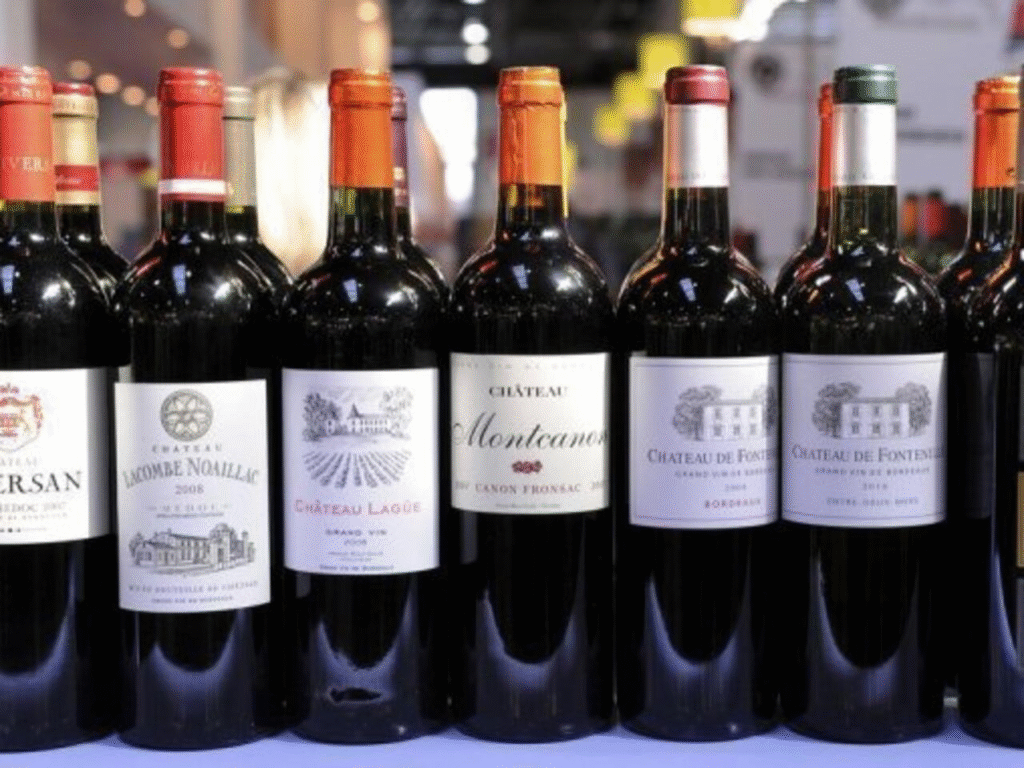
Japanese consumers have a long-standing interest in French wine. That interest has developed through sommelier culture, department-store wine sections, restaurants, and specialist retailers.
French wine also benefits from strong recognition of its regions and appellations. Buyers may already know names such as Bordeaux, Burgundy, Champagne, and the Rhône. This gives French producers a level of market familiarity that newer wine origins may need to build over time.
What the answer depends on in practice
Category recognition does not guarantee success for an individual producer. Japan’s wine market has many established importers, producers, and labels. A new brand must show buyers why its specific wines deserve attention.
Clear communication matters. The producer should explain its region, appellation, production style, vineyard story, and quality credentials. These details can help the brand stand out within an already familiar category.
A concrete example for a foreign brand
A small Burgundy producer entering Japan benefits from consumers who already understand the importance of Burgundy. However, that recognition does not automatically sell a particular bottle.
The producer still needs suitable distribution and positioning. It must reach buyers who value the specific appellation, producer, vintage, or style.
Duty and trade-agreement advantages
The variables that drive the number
Wine entering Japan can incur customs duty, liquor tax, and consumption tax. The applicable customs duty depends on the product and its current trade-agreement treatment.
For French wine, the relevant framework includes the trade relationship between Japan and the European Union. Brands should confirm the current rate and any applicable origin requirements before calculating landed cost.
Why current verification matters
Trade-agreement terms can change over time. A rate that applied to an earlier shipment may not apply to a future shipment.
For that reason, avoid building a pricing model around an assumed duty rate. Confirm the current treatment for the specific wine, origin, and shipment before finalizing your Japanese price.
Liquor tax also requires separate consideration. Wine falls under Japan’s applicable wine-related liquor tax category, so producers should calculate it separately from customs duty and consumption tax.
Why a label and SKU review is needed to be precise
Your final landed cost depends on the specific product. Classification, alcohol content, origin, customs treatment, and current tax rules can all affect the calculation.
A SKU-level review gives you a more reliable figure than a general estimate for French wine as a category.
Label localization for French wine
What the regulation requires
Like any alcohol product, French wine sold in Japan needs Japanese-language disclosure of ingredients and allergens (including sulfites, a common wine disclosure point), the Japan-based responsible party’s name and address, ABV and tax category information, and the mandatory under-20 warning — satisfying both the Food Labeling Act and Liquor Tax Act simultaneously.
The most common compliance gaps
Wine labels often carry appellation and vintage information central to the brand’s identity — Burgundy, Bordeaux, specific commune or château names — and brands sometimes worry that Japanese compliance requirements will crowd out this information. A related gap is overlooking sulfite disclosure specifics, since wine-specific allergen treatment can differ from other beverage categories in exactly what needs to be stated and how.
How localization handles it
A back-label approach — preserving the original French or bilingual front label’s appellation and estate information intact, while adding required Japanese disclosures on a supplementary label — is a common and effective solution for wine specifically, since appellation and vintage details are central to how the product is marketed and shouldn’t be diluted by compliance requirements that can be handled separately.
Positioning against established players
How this channel actually works in Japan
French wine already moves through well-established Japanese import and distribution channels, including large specialist wine importers with decades of relationships in the category. A new entrant isn’t introducing Japan to French wine — it’s competing for shelf space and buyer attention within a category that already has entrenched players and existing consumer loyalty to established labels.
Fit for a foreign brand’s product and price tier
This makes positioning specificity more important than category reputation alone. A producer entering at the premium end, with a genuine story around terroir, small production, or a distinctive style, has a clearer path to standing out than one competing primarily on being “another French wine” in a market that already has many of those. Given Japan’s premiumizing market dynamics, leading with quality and narrative rather than trying to compete on volume or price tends to fit the market’s actual buying behavior.
How JapanPint’s owned channels apply
JapanPint distributes through its own channels — CraftBeer.co.jp, OmoriMart.com, and Jasumo.com — alongside listings on Amazon Japan, Rakuten, and Yahoo Shopping. For a French wine brand entering a category with established competitors, having a partner who can place product across both curated owned channels and major marketplaces gives you multiple points of consumer discovery, rather than depending on a single distribution relationship to carry the whole go-to-market effort.
Channel selection
How this channel actually works in Japan
Wine in Japan moves through the standard importer → wholesaler → retail/on-trade/e-commerce chain, but wine specifically also has strong specialty retail and on-trade (restaurant, wine bar) channels where sommelier relationships and curated selection matter as much as broad retail placement. Getting into the right specialty channels can matter more for a premium wine brand than broad availability.
Fit for a foreign brand’s product and price tier
A boutique, limited-production French wine is generally a better fit for specialty retail and on-trade curation than mass retail shelf space, where it would compete on visibility against much larger-volume brands. A larger-production, more accessible French wine may be better suited to broader retail and e-commerce placement where volume and consistent availability matter more than curated exclusivity.
How JapanPint’s owned channels apply
Because JapanPint’s owned channels span both curated e-commerce (CraftBeer.co.jp, OmoriMart.com, Jasumo.com) and major marketplace listings (Amazon Japan, Rakuten, Yahoo Shopping), a French wine brand can be positioned appropriately for its specific tier — premium and curated, broad and accessible, or a mix — without needing to separately source and manage multiple distribution relationships to achieve that mix.
A France-to-Japan roadmap
What a foreign brand needs to understand
Bringing French wine into Japan follows the same core sequence as any alcohol import: partnering with a licensed importer of record, prior consultation with the quarantine station, food import notification under the Food Sanitation Act, duty and liquor tax assessment, labeling-method notification, and distribution. What differs for French wine specifically is less the process and more the competitive and positioning landscape you’re entering.
How it plays out in the import process
In practice, a French wine brand’s roadmap should include an early, honest assessment of positioning — premium curated versus broader accessible — since that decision shapes label strategy, channel selection, and pricing expectations from the start, rather than being decided after the first shipment has already landed.
The practical takeaway
France’s wine reputation in Japan is a real advantage, but it’s a starting point, not a strategy. A clear positioning decision, a compliant and well-executed label, and the right channel mix for your specific tier are what actually convert that reputational advantage into sales.
Whether your specific wine, label, and SKU range are ready for the Japanese market — and which channels make the most sense for your positioning — is exactly what a proper review can tell you.
Tell us about your product and SKU range through our contact form, and we’ll review where your brand stands for Japan entry. If you prefer email, you can also reach us at su*****@*******nt.com.