The Real Cost of Importing Alcohol Into Japan: What Drives Your Total
 By
By 
If you search for the cost of importing alcohol into Japan, you may struggle to find one clear number. That is because the final cost depends on your product and shipment details.
ABV, product category, SKU count, country of origin, packaging, labels, and compliance requirements can all affect the total. This guide explains the main cost drivers. It also shows what you should prepare before requesting an import quote.
Why No One Can Quote You a Number Upfront

The Direct Answer Up Front
A reliable import partner needs to review your products before giving you a firm quote.
Liquor tax, customs duty, and compliance costs can vary by product category and other import details. Label condition and SKU count can also affect the work required.
A price without this information can only provide a rough estimate. It may not reflect your actual landed cost.
What the Answer Depends on in Practice
Two brands can ship the same volume and still face different costs.
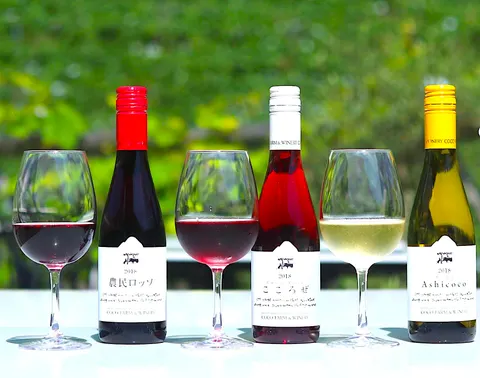
For example, one brand may import 12% ABV wine while another imports 40% ABV spirits. Their tax treatment can differ. Their customs classification can also differ.
The labels can create another difference. One brand may already have labels that meet Japanese requirements. Another may need extensive localization work.
Testing and documentation requirements can also vary between products.
A Concrete Example for a Foreign Brand
Imagine a craft distillery and a winery asking the same question: “What will it cost to import into Japan?”
The two answers may look very different.
Spirits and wine have different tax treatment. The products may also have different customs classifications. Their SKU counts and label requirements may differ as well.
That is why a product review should come before a final cost estimate.
Liquor Tax: A Major Cost Variable
What a Foreign Brand Needs to Understand
Liquor tax can represent a significant part of the landed cost for alcoholic beverages.
The Liquor Tax Act applies different tax rules to different product categories. Alcohol content and product classification can also affect the calculation.
Spirits, wine, beer, and other alcoholic beverages do not all follow the same tax structure.
How It Plays Out in the Import Process
Beer and certain beer-like beverages have their own tax structure. Japan has also been changing the tax treatment of beer and related categories as part of a multi-year reform.
The final phase of this reform takes effect in October 2026. It brings beer, happoshu, and third-category beer-like beverages closer to a unified tax treatment.
Brands in these categories should check the rules that apply to their products when building a future cost model.
The Practical Takeaway
Wine also has specific liquor tax treatment under Japanese law.
The important point is simple: your importer needs to confirm the product category and alcohol content before calculating liquor tax.
Once those details are clear, the importer can calculate the applicable tax more accurately.
Customs Duty Depends on Product and Origin
The Variables That Drive the Number
Customs duty is separate from liquor tax.
Japan Customs determines duty according to the product’s tariff classification and country of origin. Trade agreements can also affect the applicable rate.
For example, trade arrangements can reduce or remove customs duties for qualifying products from certain countries.
US wine importers should also review the current Japan-US trade rules when calculating their landed cost. Preferential treatment can depend on the product and the applicable origin requirements.
A Realistic Range, Not a Firm Quote
Duty rates vary across alcohol categories and countries of origin.
For that reason, one percentage cannot accurately represent every alcohol import.
The importer must first confirm the correct tariff classification. The team should then check the applicable duty rate and any available preferential treatment.
Consumption tax also forms part of the import cost. Japan applies a standard 10% consumption tax to taxable imports, subject to the applicable rules.
Why a Label and SKU Review Helps
The final duty calculation depends on specific product information.
The importer may need to review the product type, tariff classification, country of origin, and supporting documents.
This review gives you a more reliable figure than a generic industry estimate.
Testing, Label Revision, and Notification Costs
What the Regulations Require
Taxes and customs duty are only part of the cost.
Alcohol imports can also involve food import notifications, label compliance work, and inspection-related costs.
The importer submits the required food import notification under the Food Sanitation Act. Authorities may also select a shipment for surveillance or inspection.
If an inspection requires sampling or laboratory analysis, additional costs may apply.
The importer must also address the applicable Japanese labeling requirements before selling the product in Japan.
The Most Common Compliance Gaps
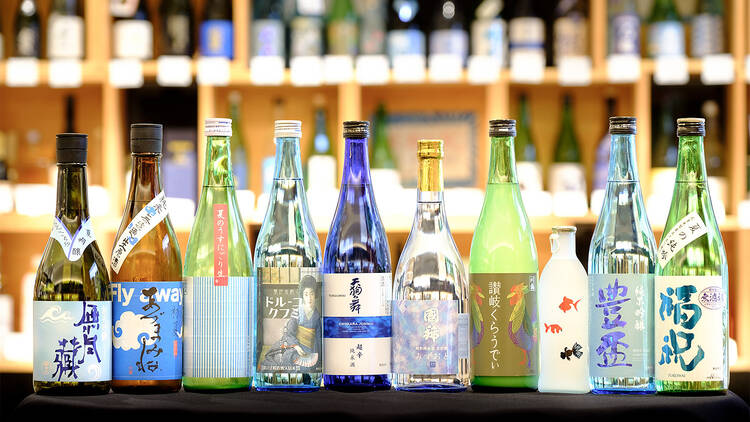
Many foreign brands start with labels designed for their home market.
Those labels may need changes before the product can enter the Japanese market. The work can involve more than translation.
Japanese requirements may cover information such as alcohol content, ingredients, importer details, and required warnings.
The final format must also meet the applicable Japanese labeling rules.
That makes label localization a compliance task, not simply a translation service.
How Localization Affects Cost
A partner that handles both importing and label compliance can review these issues together.
This approach can reduce duplicated work. It can also identify potential problems before the shipment leaves the origin country.
The cost depends on the condition of the original label. A simple update may require less work than a complete redesign.
The number of products also matters.
SKU Count: A Hidden Cost Multiplier
The Variables That Drive the Number
SKU count can have a major effect on compliance workload.
A product range may include different varietals, pack sizes, flavors, alcohol levels, or bottle formats. Each variation can require separate review.
Some products may also require different classifications or documentation.
The exact requirements depend on the product and the applicable regulations.
A Realistic Range, Not a Firm Quote
A single-SKU shipment is usually easier to review than a ten-SKU range.
A larger product range creates more information to verify. It can also increase label review and documentation work.
This does not mean that every SKU creates an identical cost. The actual workload depends on how similar the products are and which requirements apply to each one.
Why a Full SKU Review Matters
This explains why an importer should review your complete SKU list before giving you a firm quote.
The full range shows where products share the same requirements and where they need separate treatment.
Providing the SKU list early can therefore produce a much more accurate cost estimate.
Building a Realistic Landed-Cost Framework
The Items That Matter Most
A realistic landed-cost model should include several separate costs:
- Liquor tax
- Customs duty
- Consumption tax
- Label localization
- Required notifications
- Inspection or laboratory testing, where applicable
- Import and customs handling
- Bonded warehouse or storage costs, where applicable
Each cost follows its own rules.
Why Each Cost Matters
These costs form part of the process of legally importing and selling alcohol in Japan.
Some costs come directly from government requirements. Others come from the work needed to prepare, handle, store, and clear the shipment.
Treating everything as one “import fee” makes the final number difficult to understand.
Breaking the costs into separate categories gives you a clearer business model.
How to Prepare for an Accurate Estimate
Start with your complete product information.
Prepare your SKU list, product specifications, alcohol content, country of origin, packaging details, and current label artwork.
Your importer can then review the products and identify the main cost drivers.
This process gives you a better estimate than using a generic percentage or industry average.
Final Takeaway
The cost of importing alcohol into Japan depends on the product, not just the shipment size.
Category, ABV, origin, tariff classification, SKU count, labels, and compliance requirements can all affect the final amount.
A generic estimate can help with early planning. However, you need a product-specific review before you can build a reliable landed-cost model.
Prepare your labels and full SKU list before requesting a quote. A detailed review can identify tax, duty, compliance, and handling costs before your goods leave the origin country.
If you want to assess your product range for the Japanese market, contact JapanPint through its website. Share your product details and SKU list so the import requirements and main cost drivers can be reviewed before shipment.