Exporting Japanese Sake to the United Kingdom
 By
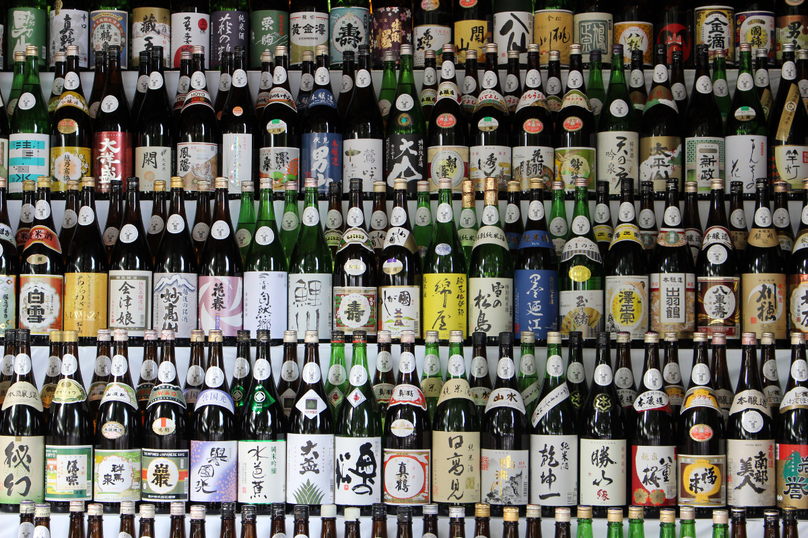
British drinkers already know sake. Many have tried it at a ramen counter or an izakaya. Today, more people explore sake by style, brewery, and origin. If you want to export sake to UK buyers, you need more than an interested customer. You need an importer, a clear duty position, and compliant labels before shipping your first bottle.
This guide explains the UK sake market and its import requirements. It also covers alcohol duty, labeling, distribution channels, importer selection, and a practical export roadmap.
The UK Sake Opportunity
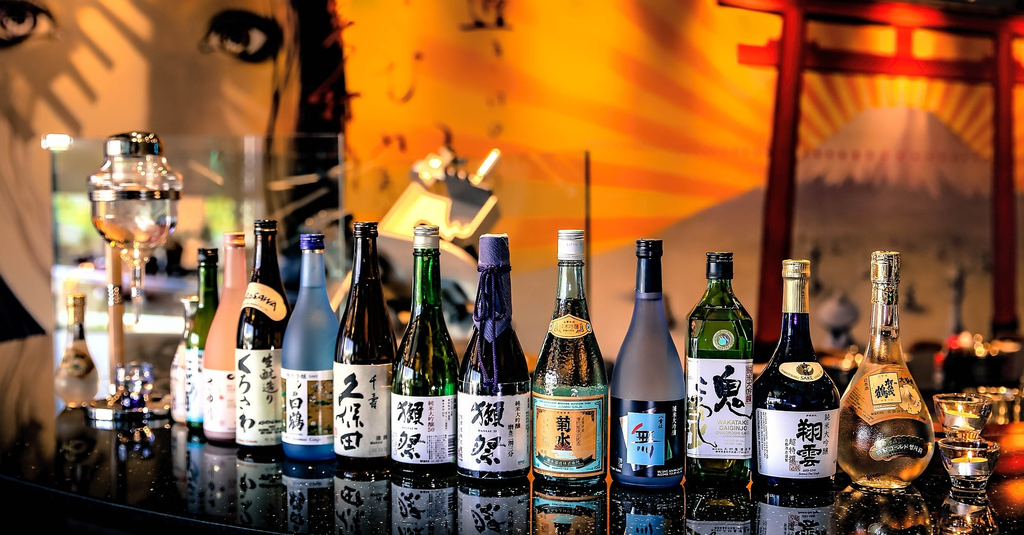
What an Exporter Needs to Understand
The UK has a mature drinks market with a strong import trade. Its wine industry is well established, and its restaurant scene continues to embrace international drinks. Japanese food has also become mainstream. Sake benefits from this growing familiarity.
However, most British consumers still consider sake a discovery category. This creates opportunities for breweries that offer something distinctive. Product quality, origin, and storytelling can matter more than shelf price.
Sake also offers considerable variety. Junmai, ginjo, daiginjo, sparkling, aged, and unpasteurized styles appeal to different buyers. Therefore, a brewery can target a specific audience with a carefully selected range. A clear identity often works better than presenting too many similar products.
How It Works in the Destination Market
At the UK end, the importer handles the main border responsibilities. The importer manages relevant registrations, customs procedures, duties, and taxes. They also distribute the sake to trade customers.
A Japanese brewery generally does not perform these importer functions itself. This arrangement resembles the inbound trade into Japan. There, a licensed importer of record holds the necessary liquor license from the National Tax Agency.
British trade buyers also expect clear product information. Importers, sommeliers, and restaurant servers may ask about sake grades, serving temperatures, and food pairings. A producer who supplies accurate information makes the importer’s job much easier.
The Practical Takeaway
Before approaching UK importers, identify what makes your sake different. Consider its region, rice variety, water, brewing method, and intended occasion.
Next, select two or three products for your first offer. Avoid presenting your entire range immediately. A focused selection gives buyers a clearer story and makes the first sales conversation easier.
Import and Excise Basics
What an Exporter Needs to Understand
Exporting from Japan and importing into the UK involve separate compliance procedures.
On the Japanese side, your shipment needs an export declaration. You may also qualify for liquor tax relief on exported alcohol. However, you must provide evidence that the goods actually left Japan. Our guide to export licenses explains this process in more detail.
On the UK side, your importer handles HMRC requirements. These include customs declarations, import duty, alcohol duty, and VAT.
Before proceeding, confirm three important points:
- Alcohol duty classification: Establish how UK authorities classify your sake. This determines the applicable duty rate.
- Trade agreement benefits: Check whether the UK-Japan trade agreement reduces tariffs for your product. Also confirm the origin documents needed to claim any preference.
- Duty suspension: Decide whether the importer will release the goods for consumption on arrival or hold them under an authorized duty-suspension arrangement.
Always check current HMRC guidance before calculating costs. Specific rates and procedures can change. UK alcohol duty underwent reform in 2023. The system now uses alcohol strength as a key factor in calculating duty. Therefore, verify the current rate for your product before preparing a quotation.
How It Works in the Destination Market
The importer usually pays duty and VAT when releasing goods for sale. Alternatively, an authorized bonded warehouse can hold the sake under duty suspension until the importer needs it.
Wholesalers also need to consider HMRC’s Alcohol Wholesaler Registration Scheme. Confirm whether your UK partner requires registration and whether its current status meets the applicable rules.
These costs affect the importer’s selling price. Each distribution stage then adds its own margin. As a result, the final retail price depends on the full supply chain.
Post-Brexit arrangements also differ between Great Britain and Northern Ireland. Ask your importer which territories they serve. Confirm the relevant customs, labeling, and documentation requirements for each destination.
The Practical Takeaway
Start with the retail price that British customers can realistically pay. Then work backward.
Subtract VAT, alcohol duty, import costs, and the margins of each distribution partner. The remaining amount shows what the importer can pay you.
Avoid promising firm prices or delivery dates too early. Costs depend on product classification, alcohol strength, and the chosen importer. Customs clearance times also vary. Always include enough flexibility in your shipment schedule.
Labeling Requirements for the UK

What the Regulations Require
UK food and alcohol labeling rules apply to imported sake. Your label must use English for the mandatory information and meet the relevant requirements.
Depending on the product and applicable rules, mandatory details typically include:
- Product name or description.
- Alcohol by volume (ABV).
- Net volume.
- Name and address of the responsible UK business or importer.
- Country of origin, where required.
- Lot or batch identification.
- Allergen information, where applicable.
Ingredient declarations for alcoholic drinks require particular attention. You should also check sulphite declarations and other allergen requirements. Confirm the rules for voluntary information, including alcohol units and pregnancy warnings, against current UK guidance.
Bottle sizes also deserve attention. Japanese breweries commonly use formats such as 720ml. However, do not assume every Japanese bottle size automatically meets UK requirements. Check whether your chosen format is permitted and commercially suitable.
Common UK Labeling Mistakes
Several practical issues can delay an import project or create compliance problems.
Watch out for these common mistakes:
- Reusing a Japanese label with a sticker that lacks mandatory UK information.
- Displaying ABV or volume in an unsuitable format.
- Leaving out the UK importer’s name and address.
- Failing to review allergen and sulphite information for the UK market.
- Using terms such as junmai, ginjo, nama, and genshu without accurate explanations.
- Making origin or quality claims that the product cannot support.
- Including health-related claims that UK rules restrict.
A label that works in Japan may not meet UK requirements. Therefore, review the artwork before shipping.
This is also where JapanPint can help. We review product information and label artwork to identify potential issues. Often, a short discussion about your existing packaging reveals which elements can remain and which need adjustment.
How Label Localization Works
Effective localization combines translation, layout, and compliance review. These tasks should work together rather than happen separately.
First, identify the applicable UK requirements. Next, prepare an English label that includes the necessary information. Then ask the importer to review and approve the artwork before printing.
You can also use a small glossary or tasting sheet to explain Japanese sake terminology. This helps British buyers understand the product without overcrowding the main label.
On-Trade vs. Off-Trade Distribution Channels
How the Two Options Differ
UK sake distribution generally follows two main channels: on-trade and off-trade.
On-trade covers businesses that serve drinks for consumption on their premises. Examples include:
- Japanese restaurants and izakayas.
- Cocktail and specialist bars.
- Hotels and hospitality venues.
- Fine-dining restaurants.
Off-trade covers businesses that sell drinks for consumption elsewhere. These include:
- Specialist sake retailers.
- Wine merchants.
- Supermarkets.
- Online alcohol retailers.
Each channel has different expectations. Therefore, producers should consider their product positioning before choosing a distribution strategy.
On-trade gives staff an opportunity to explain the sake. A server or sommelier can introduce its style, origin, and food pairings. By contrast, off-trade customers often make decisions directly from the shelf. Packaging, labels, product descriptions, and pricing must do more of the work.
Cost, Speed, and Control
On-trade can support higher bottle prices and premium positioning. Restaurants and bars also provide opportunities for customers to discover unfamiliar sake styles.
However, success depends on the venue’s willingness to list your product. Your importer must also have access to suitable accounts. Initial volumes may remain modest, and building relationships takes time.
Off-trade can provide wider reach and more consistent sales volumes. Nevertheless, competition for shelf space can be intense. Retailers also expect attractive pricing and sufficient margins.
Neither channel offers a universal advantage. On-trade provides more opportunities to explain the product. Off-trade can reach more customers but gives producers less control over presentation.
Online alcohol sales also require attention. Age verification, licensing, and other restrictions may apply. Check the rules in the relevant UK jurisdiction before choosing an online sales strategy.
Which Channel Fits Your Product?
Premium, craft, and story-led sake often works well in specialist retail and on-trade venues. These channels give buyers more opportunities to understand the brewery and its production methods.
Meanwhile, approachable and lower-priced products may suit wider off-trade distribution. However, competing mainly on price can become difficult. UK alcohol duty and VAT still affect imported sake, regardless of its country of production.
Before choosing a channel, consider your product’s quality, positioning, and target price. Also ask potential importers which restaurants, retailers, and wholesalers they currently supply.
Finding UK Sake Importers and Distributors
How the Distribution Channel Works
From Japan, the international alcohol trade may look familiar. Products move from the producer to an importer, then to wholesalers, retailers, restaurants, and online sellers.
The UK follows a similar structure. An importer may also act as the distributor. They can supply restaurants, specialist retailers, and other wholesalers.
When searching for a sake UK distributor, remember that you are choosing more than a sales representative. Your partner may handle registrations, border responsibilities, and distribution. They also introduce your brand to British trade customers.
Our guide to finding and vetting overseas importers explains how to assess potential partners.
Start with these checks:
- Confirm the importer’s relevant registrations.
- Ask which alcoholic beverage categories they handle.
- Review their existing Japanese sake portfolio.
- Check the restaurants and retailers they supply.
- Ask about their experience with products in your price range.
- Compare several candidates before signing an agreement.
Finding the Right Partner for Your Product
Not every importer suits every sake producer. A distributor specializing in premium junmai daiginjo may not have the right customers for an affordable sparkling sake.
Consider several types of potential partners. Specialist Japanese food and drink importers may understand traditional sake styles. Wine merchants with established Japanese selections may suit premium products. Restaurant-focused distributors may offer better access to on-trade accounts.
Most importantly, check whether the importer’s staff and customers understand your product. A partner who can explain the sake’s identity and quality gives your brand a stronger starting point.
Review your existing commercial agreements as well. Your Japanese distributor or trading company may already hold overseas sales rights. Check any existing territory or exclusivity arrangements before offering the same rights to a UK partner.
How JapanPint’s Owned Channels Apply
JapanPint operates several channels that serve the Japanese market:
- CraftBeer.co.jp
- OmoriMart.com
- Jasumo.com
- Amazon Japan
- Rakuten
- Yahoo Shopping
These channels support our Japanese-market operations. However, they do not provide a UK retail distribution route. We also do not claim to hold UK alcohol import licenses.
Our value in outbound projects comes from practical experience. We understand licensing, product labels, and border compliance from our work with the Japanese market. We apply that operational knowledge when helping Japanese producers prepare for overseas trade.
A Practical Roadmap for Exporting Sake to the UK

What an Exporter Needs to Understand
A successful UK export project requires careful preparation. Each stage should follow the right order.
For example, agreeing on a selling price before checking alcohol duty and label requirements can create unnecessary problems. A structured process helps prevent these delays.
The Export Process Step by Step
Follow this sequence when preparing your first UK shipment:
- Review your Japanese license position. Confirm your export arrangements and check existing distribution agreements.
- Select your lead products. Prepare accurate specifications for each sake, including ingredients, ABV, bottle volume, production method, and storage requirements.
- Find and assess UK importers. Check their registrations, distribution networks, and experience with Japanese beverages.
- Confirm import costs and classification. Work with the importer to establish alcohol duty, customs treatment, tariff eligibility, and origin documentation.
- Prepare compliant labels. Review the English artwork and obtain importer approval before printing.
- Arrange shipping and export documents. Confirm freight, customs paperwork, and suitable temperature controls. Unpasteurized sake may require cold storage. However, not every carrier or warehouse offers this service.
- Agree on commercial terms. Put pricing, payment, territory, exclusivity, and performance reviews in writing.
- Start with a manageable shipment. Monitor sales and collect feedback from the importer. Use this information to improve future orders.
The Practical Takeaway
Treat your first shipment as the beginning of a long-term business relationship. Allow enough time for compliance checks, documentation, and logistics.
Keep your labels, tasting sheets, and importer catalog consistent. That way, the information a customer hears in a restaurant matches the details printed on the bottle.
Every UK export project depends on the product range, label design, and selected importer. Therefore, review these elements together before committing to a shipment.
JapanPint can help you assess your export readiness. Tell us about your sake, product specifications, and intended range through our contact form.
You can also email our team at su*****@*******nt.com. We will review your starting position and discuss the practical requirements for your UK export project.