Marketing Japanese Alcohol to Unfamiliar Overseas Consumers
 By
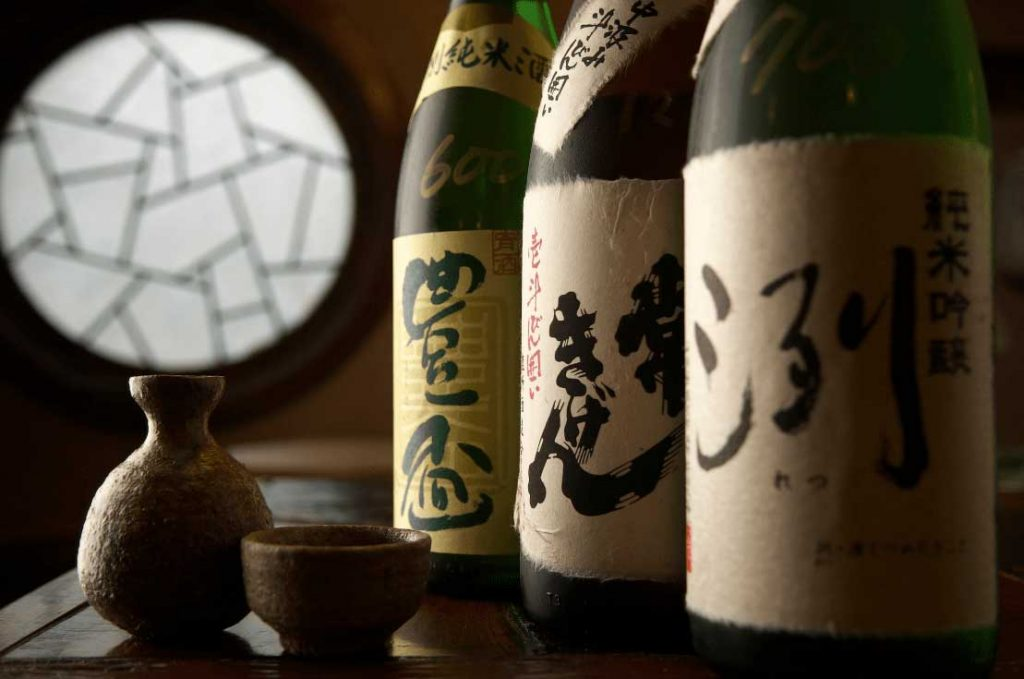
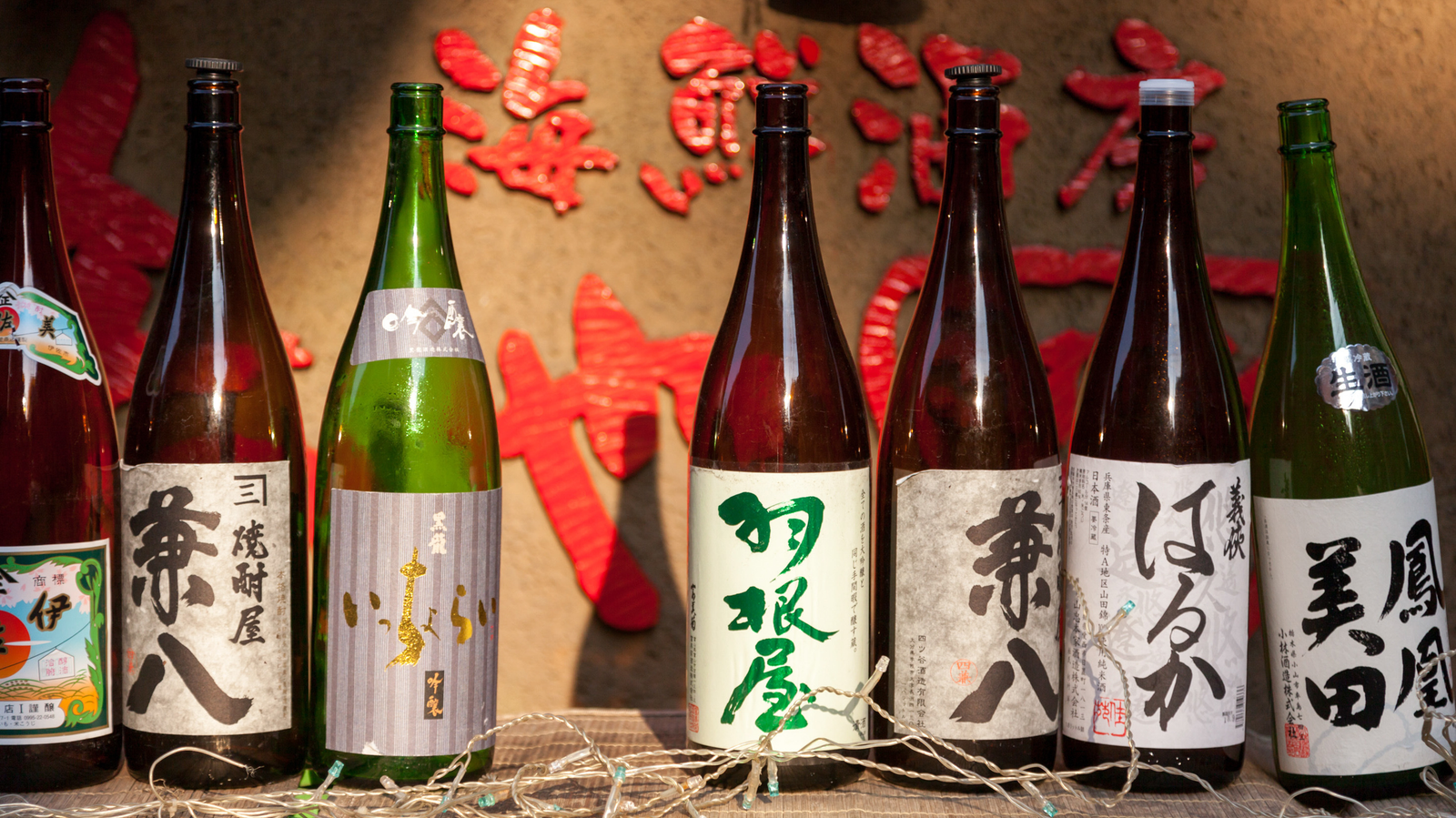
A good bottle does not explain itself to someone who has never tried the category. If you want to market Japanese alcohol abroad, start by educating your audience. Help drinkers understand sake, shochu, or Japanese whisky. Explain what makes your product different and when people might enjoy it.
This guide explores practical ways to educate new audiences. It covers tasting sheets, brand stories, food pairings, events, and digital content. It also explains how to build demand while respecting the rules of each destination market.
The education challenge
What an exporter needs to understand
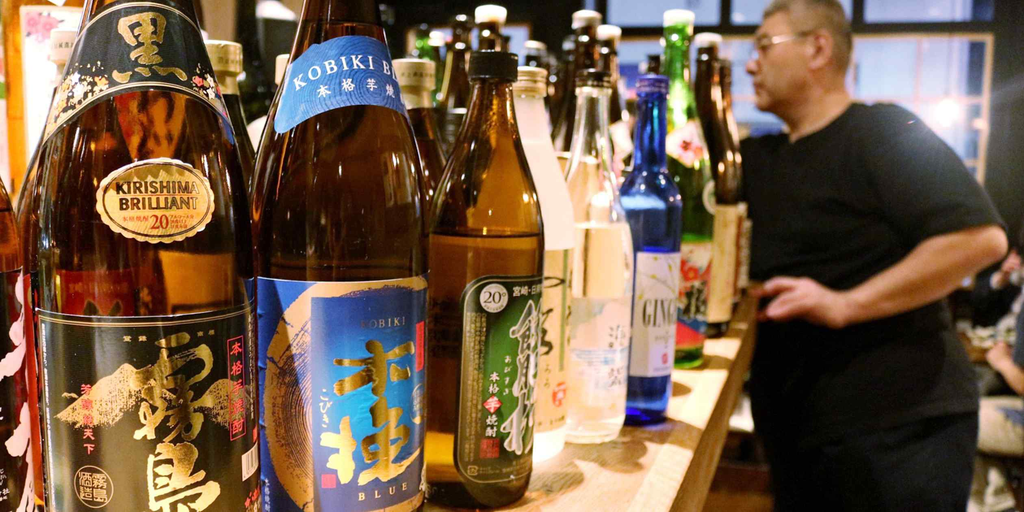
Many overseas drinkers struggle to place Japanese alcohol within familiar categories. Some assume sake is a spirit or that people should always serve it hot. Others know very little about shochu. Even the vocabulary on a Japanese label can confuse first-time buyers. Terms about grades, rice varieties, and ageing often need explanation.
This does not reflect a problem with the product. Instead, it shows where your marketing must begin.
The goal is not simply to make more noise. Give potential buyers enough information to choose, serve, and recommend your product with confidence.
How it plays out in the destination market
End consumers rarely make every decision about a product’s success. Importers, distributor sales teams, retail buyers, bartenders, and sommeliers all influence the process. Each person needs to understand the product well enough to explain it. Otherwise, the message may never reach the drinker.
Destination-market regulations also matter. Many countries restrict alcohol advertising and promotion. Their rules determine what producers can say, show, or sponsor. Requirements vary considerably between markets [VERIFY]. Our post on destination-market rules explores this subject in more detail.
The practical takeaway
Treat education as a supply-chain responsibility, not just a consumer campaign. First, identify who needs to understand your product. Usually, the importer’s sales team and its customer accounts come first. Prepare materials for these groups before launching public campaigns.
Japan values quality and a strong product story over volume. Overseas buyers can respond in the same way when producers communicate that story clearly.
Tasting sheets and brand stories
What an exporter needs to understand
A tasting sheet is one of the most useful documents in an export programme. Create one page for each product. Importers, buyers, and serving staff should be able to pick it up and use it immediately.
Explain what the product is, how the producer makes it, and how it tastes. Include serving suggestions and suitable food pairings. Brand story material serves a different purpose. It explains who makes the product, where it comes from, and why it deserves its price.
A strong Japanese alcohol brand story relies on specific details. You might highlight a named region, a particular water source, or a family with generations of brewing experience. A distinctive rice variety, grain, or production method can also make the story memorable. These details give sellers something concrete to share. A generic story could describe almost any producer, so it offers little value.
How it plays out in the destination market
Importers use your words when they introduce products to their customers. Clear and consistent information helps their staff explain the product accurately. Vague descriptions, however, encourage people to improvise. Their explanations may then differ from your intended message.
In markets with several distribution tiers, your tasting sheet may pass through a distributor, retailer, and server. Make sure the information remains clear throughout that journey.
Accuracy matters more than decorative language. Buyers may compare every statement on a tasting sheet or shelf talker with the product label and supporting documents. Terms such as “junmai” and “ginjo” must accurately describe the product. Age statements and origin claims also require care. Some terms receive legal protection or regulation in particular markets [VERIFY]. Our post on protected terms and geographical indications explains the principle from the Japanese side.
The practical takeaway
Prepare one tasting sheet per product in the destination market’s language. Use consistent terminology across the sheet, label, and importer’s catalogue. Add a short glossary to explain unfamiliar Japanese terms.
Avoid health or benefit claims. Many markets restrict this type of alcohol-related wording.
Before printing your materials, check whether the wording meets the destination’s requirements. This review forms part of the label checks we provide. Resolving problems before printing can save time and money.
Food pairing as a tool

What an exporter needs to understand
Food pairing gives new drinkers a practical reason to open a bottle. For example, “enjoy this with grilled fish” offers clearer guidance than “a dry, clean junmai with moderate acidity.” It connects an unfamiliar product with a meal the customer already knows.
Japanese alcohol has a natural advantage in this area. Japanese food culture often treats drinks as part of a meal. Many sake styles complement food rather than relying on drinking alone. Shochu also has a long tradition of food pairing. Overseas audiences can explore these traditions through familiar dishes.
How it plays out in the destination market
Restaurants often provide an effective starting point. A chef or sommelier who enjoys your product may include it on a pairing menu. Guests who discover it at the table may later buy a bottle for home.
However, pairings do not need to focus only on Japanese cuisine. Match sake with regional seafood, whisky with a suitable local cheese, or shochu with a familiar barbecue style. Local relevance helps turn initial curiosity into a regular habit.
Restaurants and bars must also follow their own licensing rules. The licences they need to serve or sell alcohol depend on the destination market [VERIFY]. Your importer can help identify suitable accounts and explain any restrictions.
The practical takeaway
Develop three or four food pairings for each product. Choose dishes that suit the destination’s cuisine, not just Japanese meals. Include the suggestions on your tasting sheet.
Test each pairing with local chefs and serving staff before using it in your marketing. Advice that works in Tokyo may not appeal to customers elsewhere.
Events and sommelier engagement
What an exporter needs to understand
Events allow people to taste your product directly. In the right setting, that experience can make a stronger impression than written promotion.
Different events serve different purposes. Trade tastings introduce products to buyers and serving staff. Importer portfolio days help distributors present their ranges. Sommelier sessions target professionals who influence purchasing decisions. Food festivals and consumer events can also build awareness.
Give sommeliers and bar professionals particular attention. They influence what many other people choose to drink. One committed advocate at a respected venue can sometimes achieve more than a broad promotional campaign.
How it plays out in the destination market
Overseas events must follow local alcohol regulations. Sampling, sponsorship, serving, and selling may require specific licences or permits. Some markets also restrict free samples and promotional pricing [VERIFY].
Importers usually understand the local requirements and may already hold relevant permissions. Therefore, plan events together with your importer rather than arranging them independently.
Logistics also deserve attention. Sake can be sensitive to temperature, and some unpasteurised styles may require refrigerated transport and storage. Not every importer or venue can provide these conditions [VERIFY]. Make sure samples arrive in the right condition. Also, remember that customs authorities do not automatically approve every sample shipment.
The practical takeaway
Choose a small number of valuable events and prepare carefully. Send products in good condition, train the people who will serve them, and prepare printed materials in the correct language. Agree with your importer on each party’s responsibilities.
Whenever possible, invite brewers or producers to attend. First-hand explanations often make a stronger impression than brochures. Allow enough time for shipping and customs clearance. These processes can vary, so never rely on an unconfirmed arrival date for an important event.
Digital and content marketing
How this channel actually works in Japan
Japan’s alcohol distribution system offers useful context. Products move through importers, wholesalers, retailers, on-trade accounts, and e-commerce channels. Major online marketplaces also play a significant role.
Overseas markets increasingly use a similar mix of channels. However, their rules for online alcohol promotion and sales differ considerably. Some countries require age verification. Others restrict social media promotion or limit online alcohol sales [VERIFY].
For producers, content creation may be easier than direct online sales. You can often explain a product online even when local rules prevent you from selling it through that channel. As a result, you can begin building an educational content plan before securing an online sales route.
Fit for a foreign brand’s product and price tier
Content marketing suits products with stories that reward explanation. These include craft sake, small-batch whisky, regional shochu, and products with distinctive production methods or origins.
Premium and mid-tier products often justify this investment. By contrast, low-priced products compete more directly on price and may need less storytelling. Destination taxes and importer margins apply regardless of where producers make their products. This makes price-led competition abroad more difficult than it first appears.
Effective content uses specific details. Explain how a particular sake is brewed, what makes a region’s water distinctive, or how to serve a product at the right temperature. You can also share practical food-pairing ideas.
Keep every piece of content within the destination’s advertising rules. These rules commonly restrict health claims, appeals to minors, and certain types of imagery [VERIFY].
How JapanPint’s owned channels apply
JapanPint operates CraftBeer.co.jp, OmoriMart.com, and Jasumo.com. We also maintain a presence on Amazon Japan, Rakuten, and Yahoo Shopping. These channels serve the Japanese market. We do not present them as overseas retail routes.
Our contribution to outbound projects comes from practical operating experience. We understand labels, documentation, and licensing requirements at the border. We apply that knowledge in the other direction, helping producers build overseas stories on documentation that can withstand scrutiny.
Building demand abroad
What an exporter needs to understand
Demand develops in stages, and each stage takes time. First, the importer needs to believe in the product. Next, the accounts they supply must understand it. Finally, drinkers need to hear a clear recommendation from people they trust.
Skipping one of these stages can waste money. For example, advertising directly to consumers before the importer’s sales team understands the product may produce little return.
Patience is essential. Japanese alcohol remains a discovery category in many overseas markets. Consumers often need repeated exposure before they become familiar with a new product. Producers who expect immediate returns from their first shipment may feel disappointed. Those who plan for steady growth usually have more realistic expectations.
How it plays out in the destination market
In many markets, a small group of accounts introduces the product first. The importer then reviews the results and expands distribution if sales justify it.
Sell-through data from your importer is more useful than an early forecast. Establish a regular process for sharing and reviewing this information. If a product performs well in one restaurant group or retailer, use that result to guide your next move. Avoid expanding the range too quickly.
Pricing also shapes how customers perceive a product. A price that sits too low may suggest poor quality. On the other hand, a premium price without a convincing story can discourage buyers.
Work backward from the retail price that the market can support. Deduct each distribution tier’s margin and the destination’s taxes. This calculation shows what remains for the producer. Our post on pricing from tax explains this approach in more detail.
We do not quote firm figures in advance. The final calculation depends on the product, destination, and importer.
The practical takeaway
Start with a focused plan and expand gradually. Build a clear message, select a few suitable accounts, and review sales regularly. Use the data to decide what to do next.
Keep the label, tasting sheet, and importer catalogue consistent. A drinker should hear the same product story at a bar that they read on the bottle.
Prepare your Japanese alcohol brand for overseas markets
Successful cross-border marketing requires creativity and careful preparation. Before promoting a product, make sure its labels, claims, and documents meet the destination market’s requirements.
JapanPint can help you review your export preparation and identify areas that need attention.
Tell us about your product and SKU range through our contact form. We’ll review where your brand stands for export. You can also email us at su*****@*******nt.com.